Indian whisky and heritage spirits
India drinks more whisky than any country on earth, and it now makes some of the most talked-about single malts too. This is my guide to what's in the glass, who's making it and why it tastes the way it does.

Why it tastes different
Heat does in a few years what a Scottish warehouse does in a decade or more. In Goa or Bengaluru, spirit and oak work on each other fast, and the angels' share can run to ten per cent a year or more, against roughly two per cent in Scotland. So Indian single malts tend to be bottled young and already rich with tropical fruit, toffee and spice.
Most distillers use Indian six-row barley, much of it grown in Rajasthan and Haryana, and copper pot stills. Then they play with what's local: Rampur finishes Asāva in Indian Cabernet Sauvignon casks, and Godawan matures in the Rajasthan desert. Age statements mean something different here, and that's the first thing I explain at every tasting.
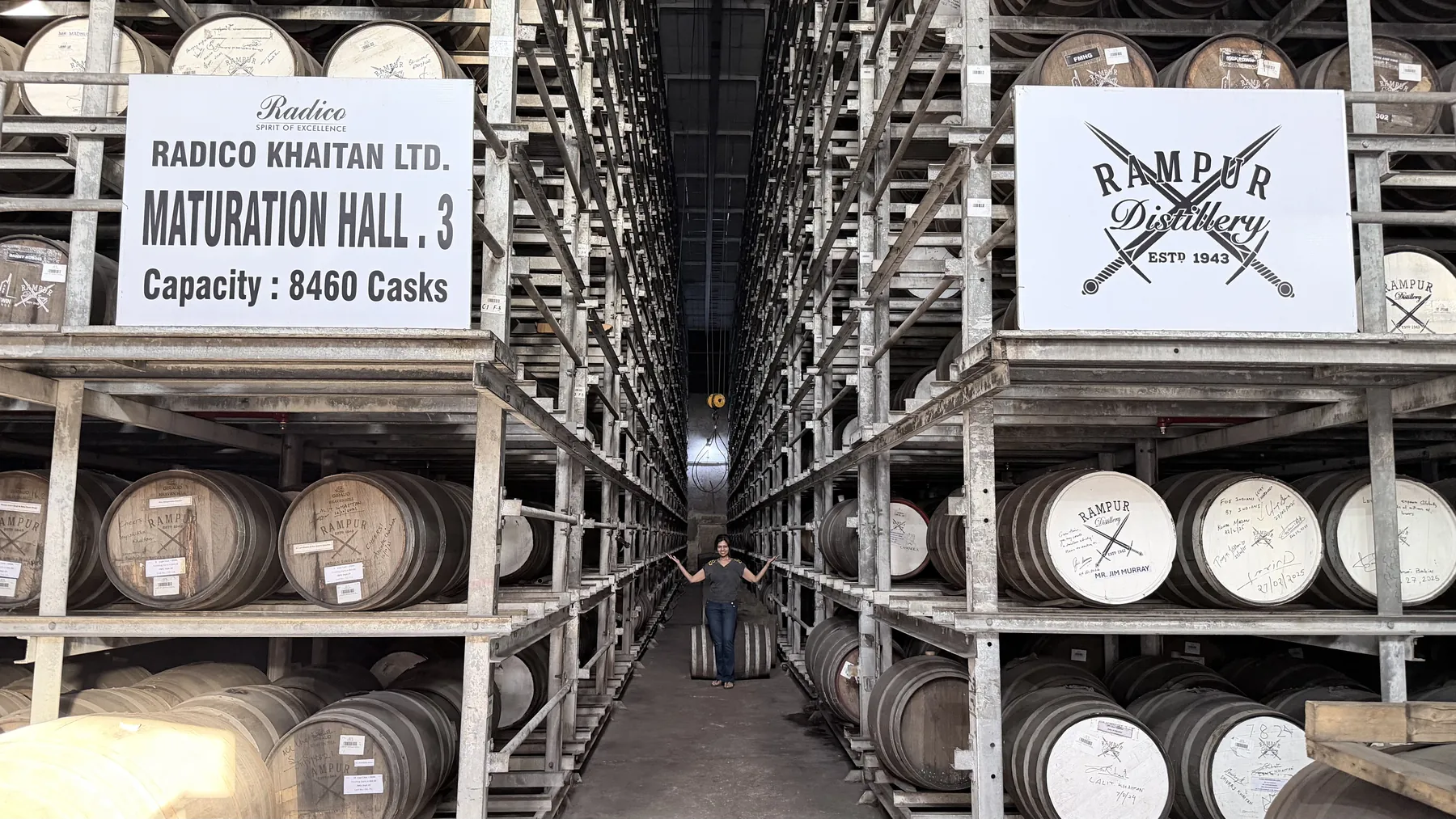
Maturation Hall 3 at Radico Khaitan's Rampur Distillery, in the Himalayan foothills
“Rampur Asāva is bottled Indian pride in whisky form; a wholly nose-to-tail ‘Made in India’ product.”
Quoted in Decanter’s The craft of casks, April 2026. Read it
India's heritage spirits
Long before single malt, India was distilling from flowers, fruit and palm sap. Colonial excise laws pushed most of it underground, and for decades India was a little embarrassed by its own liquids. That is changing fast, and it's the story I'm proudest to tell.
Read my heritage spirits writing →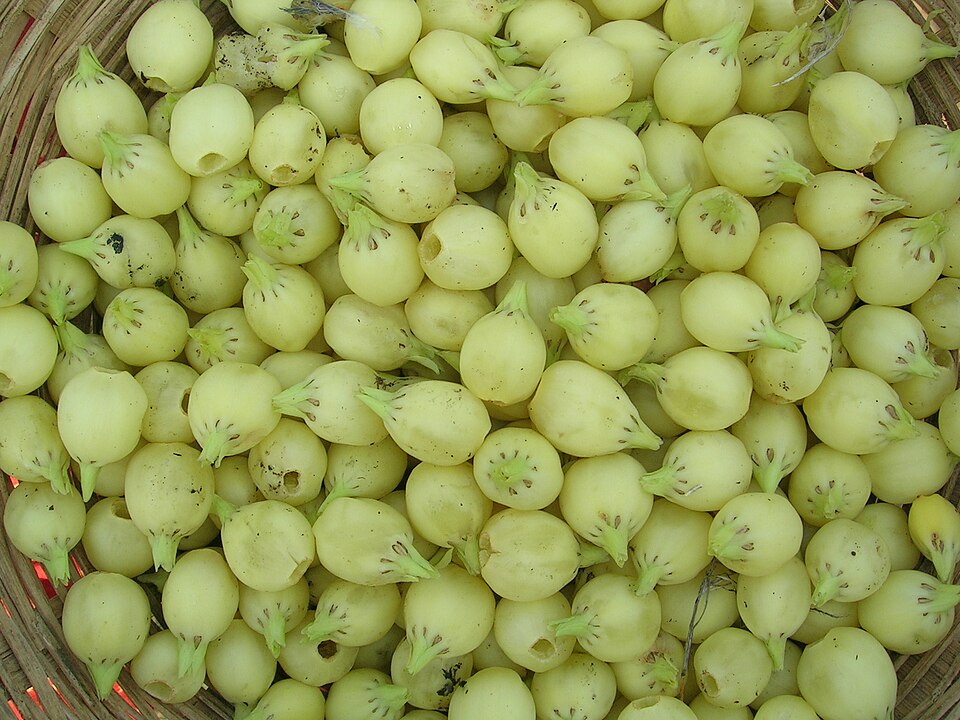
Mahua
Distilled from the fat, sweet flowers of the mahua tree, central to Adivasi life across central India. New brands such as Mah are taking it into cocktail bars.
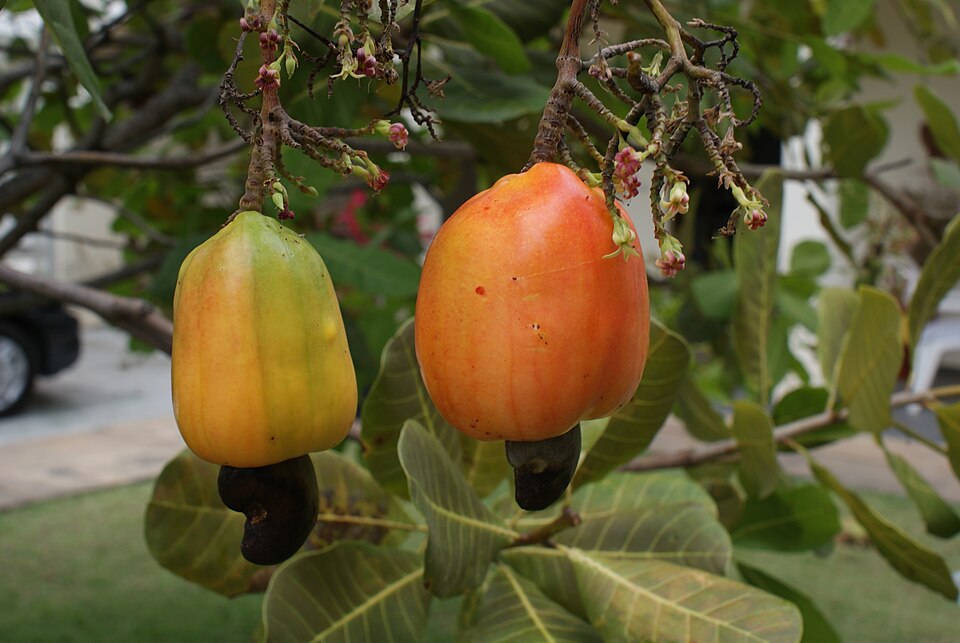
Feni
Goa's own spirit, from cashew apples or coconut toddy. Cashew feni holds a geographical indication, and producers like Cazulo are finding it a new audience.
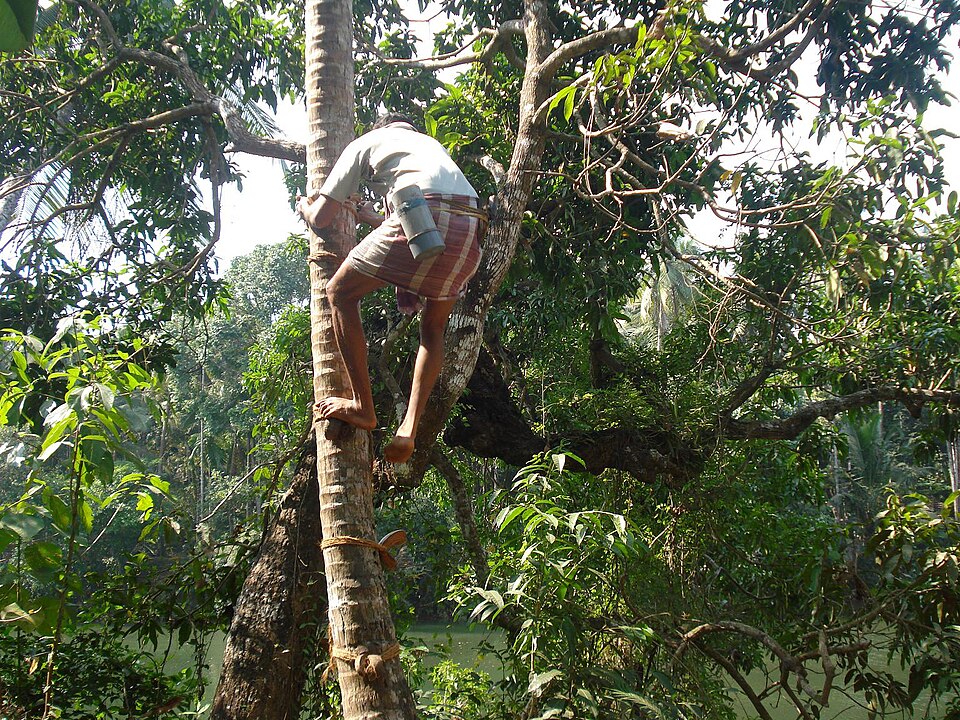
Arrack and toddy
Palm sap, drunk fresh as toddy or distilled into arrack, along India's southern coasts and across the water in Sri Lanka.

Apong
The rice beer of Assam's Mising community, now being bottled for drinkers well beyond the Brahmaputra.
Photos via Wikimedia Commons: mahua flowers by Gypsypkd (CC BY-SA 3.0); cashew apple by Ben Tavener (CC BY 2.0); toddy tapper by Ks.mini (CC BY-SA 3.0); poro apong by Nayan Jyoti Nath (CC BY-SA 4.0).
Questions I get asked
Is Indian whisky real whisky?
Indian single malt is made the same way as Scotch single malt: malted barley, distilled in pot stills and aged in oak. Much of India's best-selling 'whisky' is a different drink, blended with spirit made from molasses, which is why it can't be sold as whisky in the UK or the EU.
What does Indian single malt taste like?
Rich and generous for its age. Expect tropical fruit, toffee and baking spice, sometimes peat, and plenty of wine and rum cask finishes.
Where can I buy it in the UK?
Specialist retailers such as The Whisky Exchange and Master of Malt stock the major names, and more whisky bars are pouring them. Soho Whisky Club now has an Indian single malt listing.
Can you run an Indian whisky tasting for my company?
Yes. I host tastings for client evenings, dinners and Diwali celebrations. Formats are below; dates are agreed with you.
Tastings for companies
A guided journey through India's single malts for client evenings, away days and Diwali celebrations, led by a Global Spirits Masters panel chair. The whisky comes from my own collection of every Indian single malt brand, often with the distillers' support.
The Indian single malt flight
Five drams from Jammu to Goa, the stories behind them, why tropical heat changes everything, and time for questions. About 75 minutes.
Diwali dinner pairing
A whisky talk, then cocktails and mocktails matched to an Indian menu, as at Lucy Cavendish College's Diwali formal this November.
Talk and taste
A 30-minute talk with a dram, for conferences, away days and client receptions.
Bespoke
Brand launches, client entertaining and private celebrations, designed around the occasion.
Every guest gets tasting notes, anyone not drinking gets mocktail pairings, and timings are agreed with your venue and caterer. Recently: ten brands at Diageo for the Worshipful Company of Distillers, December 2025; a sold-out evening at The Nightcap Club, July 2026, with profits to the Equal Measures hospitality programme.
Read more
